
What Is a Hakama?
If you've browsed our collections, you've probably come across the term Hakama. It's a garment that has inspired several of our designs and one that continues to fascinate us for its history, functionality, and timeless silhouette.
But what exactly is a Hakama, and why has it remained such an iconic part of Japanese clothing for centuries?
Let's take a closer look.
The Origins of the Hakama
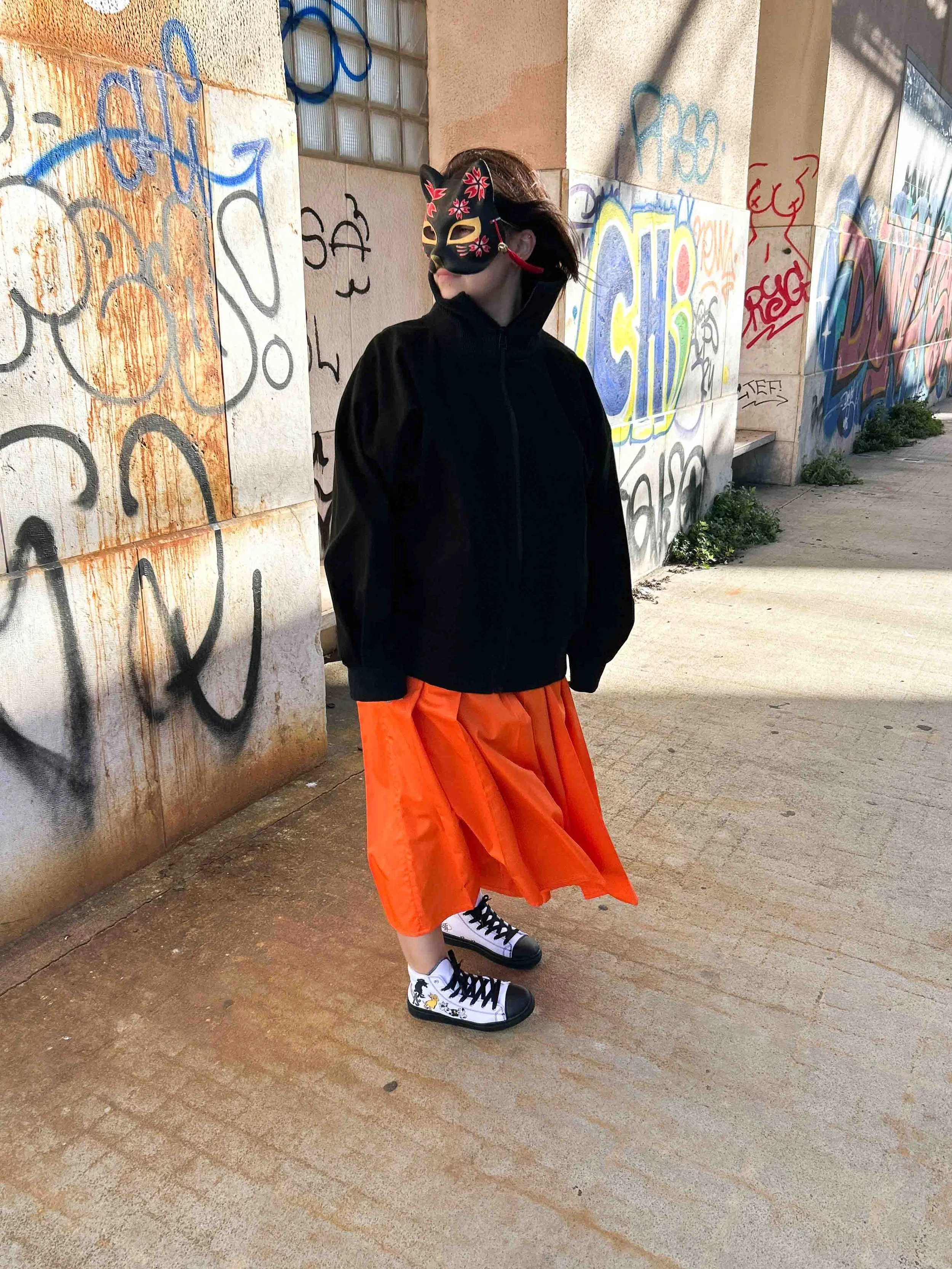
The Hakama (袴) is a traditional Japanese garment worn over a kimono. It resembles a wide-legged pair of trousers or, in some variations, a pleated skirt. Its origins date back more than a thousand years, making it one of the oldest surviving elements of Japanese dress.
Historically, Hakama were worn by members of the aristocracy, samurai, and later by scholars, martial artists, and religious practitioners. Over time, they became associated with dignity, discipline, and tradition.
Today, Hakama can still be seen during ceremonies, graduations, weddings, and martial arts practice, preserving their important place in Japanese culture.
Why Does a Hakama Have Pleats?
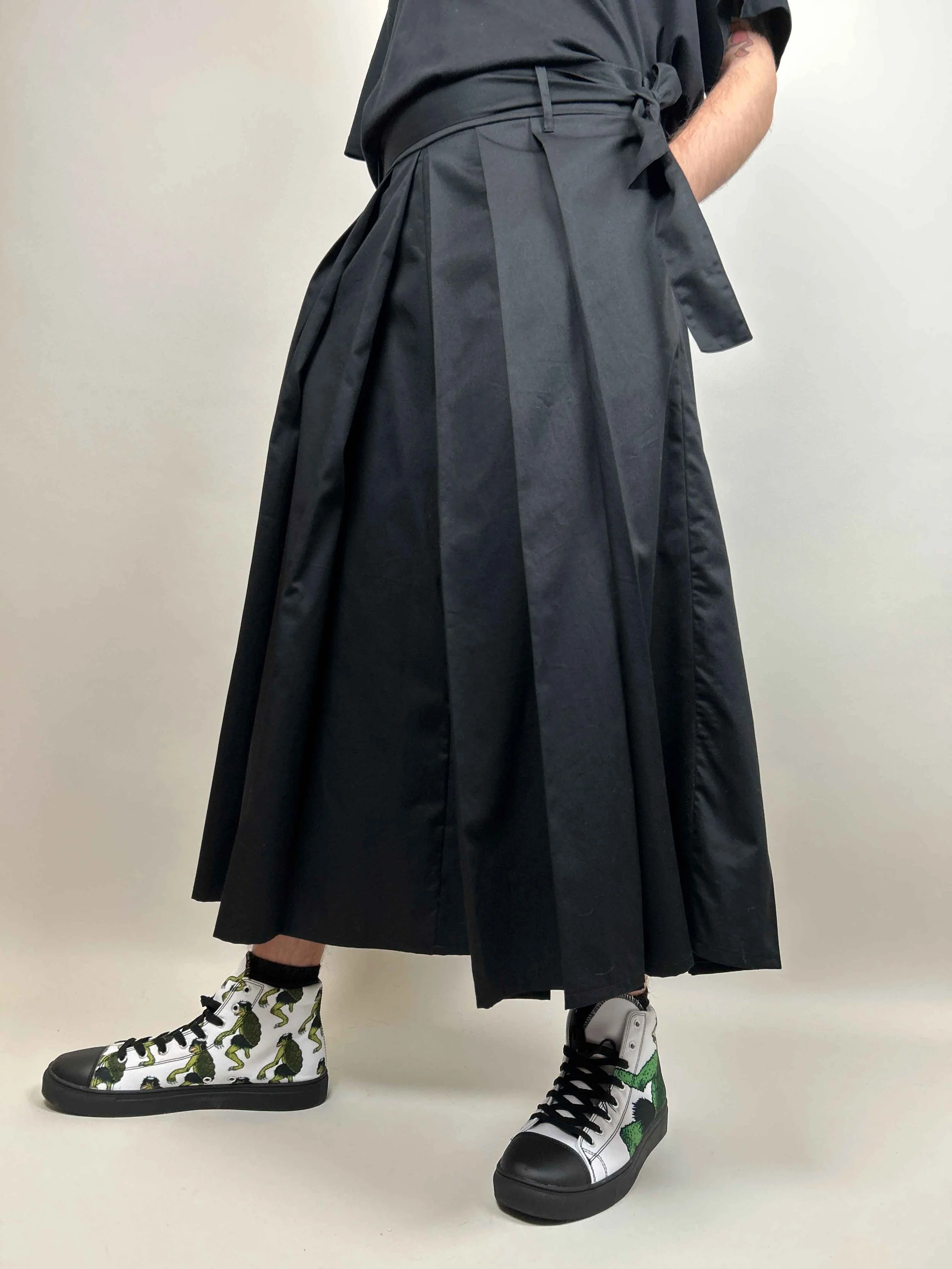
One of the most recognizable features of a Hakama is its pleated front.
Traditionally, the pleats are said to represent virtues associated with the samurai code, including qualities such as courage, honesty, loyalty, respect, and compassion. Whether viewed as symbolism or simply as beautiful design, the pleats give the garment its distinctive structure and movement.
As the wearer walks, the fabric flows elegantly, creating a silhouette that feels both dramatic and refined.
Function Meets Aesthetics
While the Hakama is visually striking, it was also designed with practicality in mind.
The garment allows for freedom of movement, making it suitable for horseback riding, martial arts, and everyday activities. Its loose fit provides comfort while maintaining a strong and structured appearance.
This balance between functionality and beauty is one of the reasons we find the Hakama so inspiring. It demonstrates how clothing can be practical without sacrificing character or elegance.
How the Hakama Inspires Our Designs
At Akai Ito, we are drawn to garments that tell stories and carry cultural significance. The Hakama perfectly embodies both.
Rather than reproducing traditional garments exactly as they were worn centuries ago, we reinterpret elements of the Hakama through a contemporary lens. Wide silhouettes, generous proportions, pleating, draping, and freedom of movement often find their way into our designs.
These influences allow us to create pieces that feel modern and wearable while paying homage to the traditions that inspired them.
Our Hakama-inspired trousers, shorts, and silhouettes are designed to capture the spirit of the original garment while fitting naturally into contemporary wardrobes.
Why We Love the Hakama
What we admire most about the Hakama is its ability to transcend time.
Despite its centuries-old origins, its silhouette still feels modern. It challenges conventional ideas of tailoring, prioritizes comfort without losing elegance, and carries a rich cultural history within every fold.
As designers, we constantly look for inspiration that bridges tradition and contemporary fashion. The Hakama represents exactly that connection—a garment that remains relevant because its design principles are timeless.
Tradition in Motion
Fashion is constantly evolving, but some garments continue to inspire generation after generation. The Hakama is one of them.
Its history, symbolism, and distinctive silhouette have influenced countless designers around the world, and it continues to inspire us today.
Whether you're discovering the Hakama for the first time or already appreciate its cultural significance, we hope this small introduction helps you understand why it occupies such an important place in both Japanese history and our creative process.
For us, the Hakama is more than a garment—it's a reminder that great design can endure for centuries.
