
Discover the beauty of Shibori, a traditional Japanese resist-dyeing technique where fabric, folds, knots and dye come together to create unique patterns. At Akai Ito, this centuries-old craft inspires us to experiment with colour, texture and one-of-a-kind fashion.
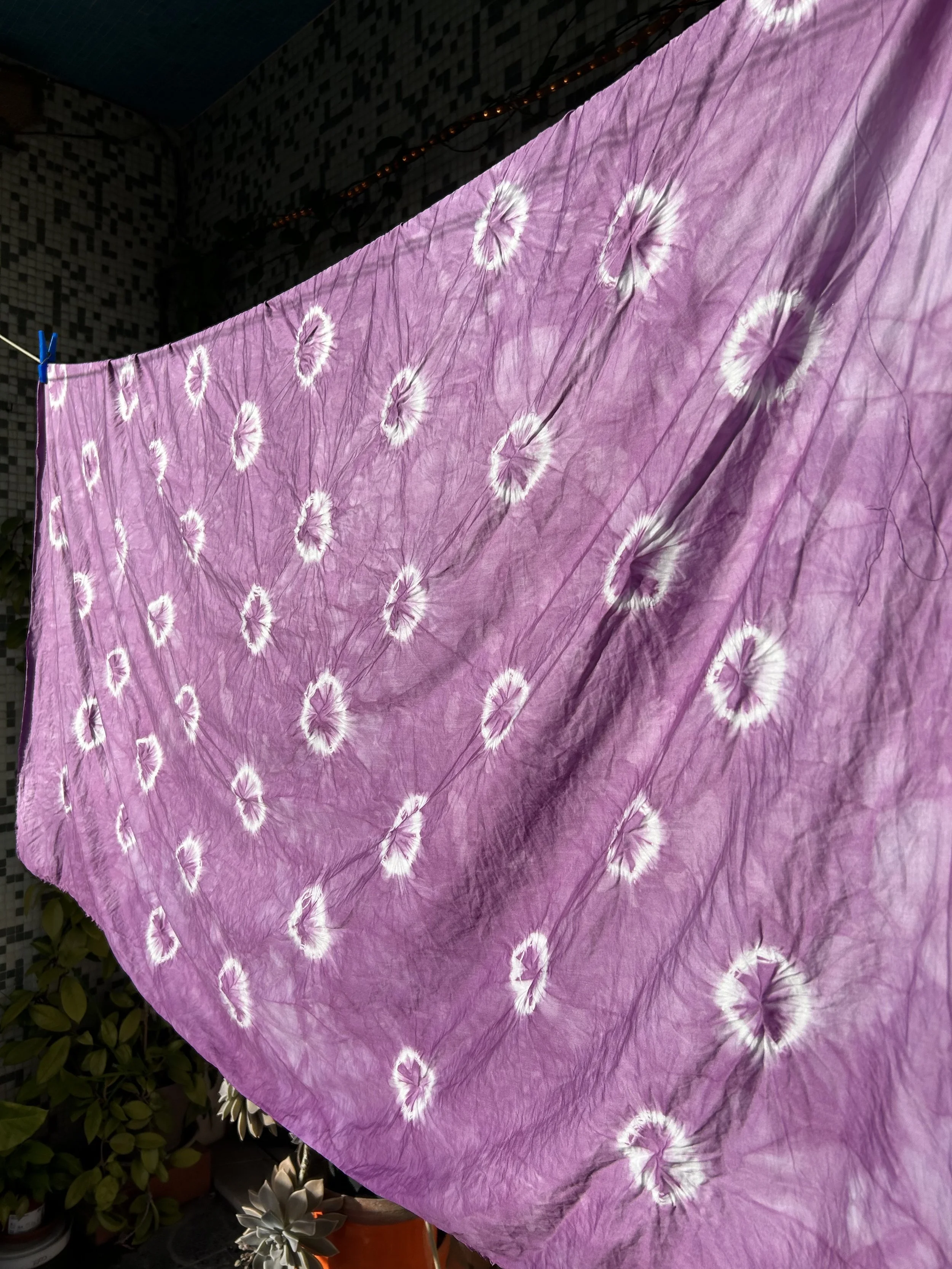
What Is Shibori?
Have you ever wondered how to create beautiful patterns on fabric without using a paintbrush?
The answer is Shibori (絞り), a traditional Japanese textile-dyeing technique that has been practised for centuries. Rather than painting designs directly onto fabric, Shibori uses different methods of folding, twisting, binding, stitching or compressing the material before immersing it in dye.
The word Shibori comes from the Japanese verb shiboru, meaning to wring, squeeze or press.
The magic happens when the fabric is unfolded. The areas protected from the dye reveal lighter patterns, while the exposed sections absorb the colour. The result is a beautiful contrast of shapes, textures and organic patterns.
No two pieces need to look exactly alike. Every fold, knot and binding influences the final result, making Shibori a fascinating combination of technique and experimentation.
A Little History: Shibori in Japanese Textile Culture
Shibori has a long history in Japan, with surviving examples of resist-dyed textiles dating back many centuries. Over time, different regions and generations of craftspeople developed their own techniques and patterns.
One of the best-known traditional approaches uses indigo dye, which produces beautiful shades ranging from pale blue to deep navy.
Historically, Shibori was used to decorate garments and textiles, including kimono fabrics. It became particularly celebrated during the Edo period (1603–1868), when regional textile traditions and specialist craftsmanship flourished.
Today, Shibori remains an important part of Japanese textile heritage and continues to inspire contemporary textile artists, designers and fashion brands around the world.
The Beauty of Imperfection: Why We Love Shibori at Akai Ito
At Akai Ito, we are always interested in exploring traditional techniques and finding new ways to incorporate them into contemporary clothing.
Our approach to fashion is strongly connected to experimentation, craftsmanship and the individuality of handmade pieces.
Shibori allows us to work with fabric in a different way. Instead of having complete control over every detail, we embrace the process and let the interaction between fabric, bindings and dye influence the final result.
We love how the patterns develop organically. Sometimes the outcome is close to what we imagined; other times, the fabric surprises us with something completely different.
And that's precisely what makes it special.
For us, handmade dyeing is not simply about adding colour to clothing. It's about giving each piece its own character and creating something that cannot be perfectly replicated.
Shibori in Our Collections: Two Unique Akai Ito Pieces
We have incorporated this approach to textile dyeing into several Akai Ito creations. Two examples that showcase our love for handmade patterns are our Reversible Kimono and Purple Saruel Pants.
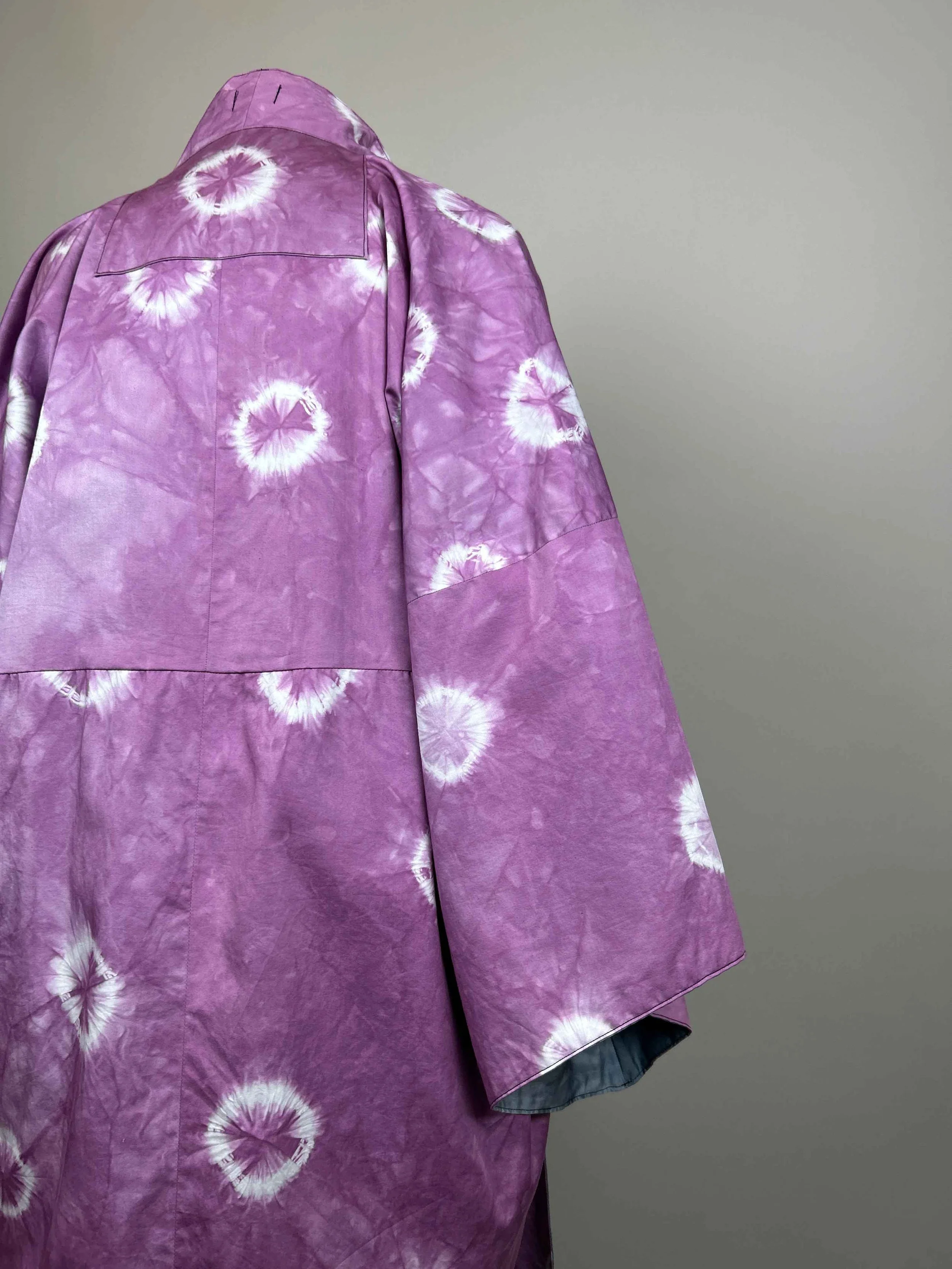
The Reversible Kimono
Our Reversible Kimono combines Japanese-inspired silhouettes with experimental textile techniques.
Made from 100% cotton poplin, this piece features two sides with different manual dyeing treatments, offering two different ways to wear the same garment.
The handmade patterns give the fabric its own identity, while the reversible construction adds versatility.
We love the idea of combining traditional Japanese inspiration with contemporary design, creating a garment that can be styled in different ways depending on your mood.
Discover the Reversible Kimono in our shop.
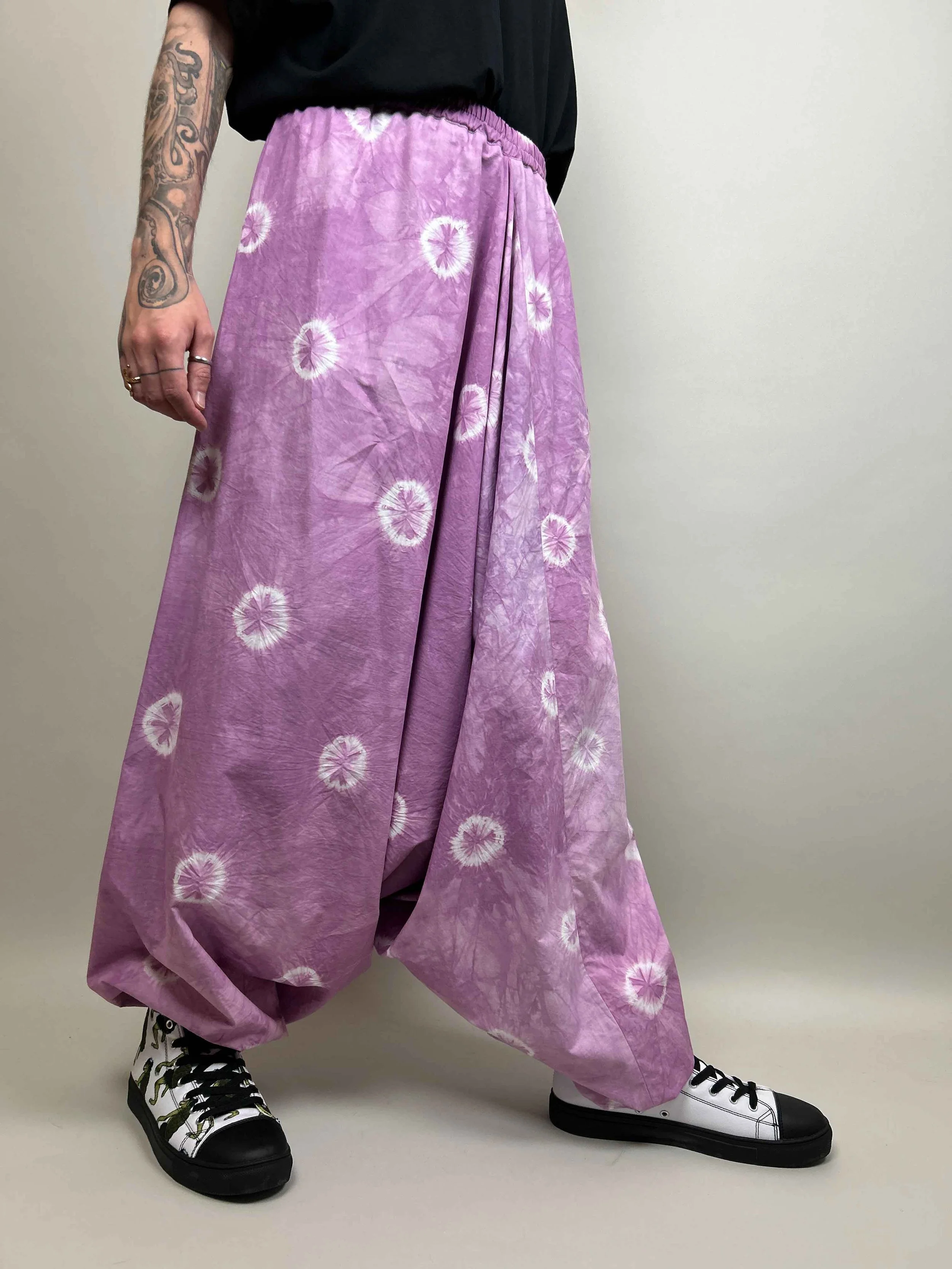
The Purple Saruel Pants
Our Purple Saruel Pants bring together relaxed proportions, comfort and the expressive character of hand-dyed fabric.
The wide-leg silhouette and distinctive shape make them a playful addition to any wardrobe, while the purple dye creates a unique visual identity.
The handmade treatment means that the patterns become part of the garment's personality, making each piece feel individual.
We believe clothing should be more than something we wear. It should also reflect creativity, experimentation and personal expression.
Discover the Purple Saruel Pants in our shop.
Slow Fashion, Handmade Processes and Individuality
Traditional textile techniques like Shibori remind us that making something by hand takes time.
In a world where clothing is often produced in large quantities and designed for uniformity, we believe there is something special about embracing processes that allow for variation.
At Akai Ito, we work with small-scale production, thoughtful fabric choices and handmade techniques to create distinctive garments.
We also believe in reducing textile waste wherever possible. Inspired by the Japanese concept of Mottainai, which expresses the idea that nothing should go to waste, we try to make thoughtful use of the materials we work with.
Not every garment follows the same production method, but every piece reflects our interest in creating fashion with intention.
Shibori is a beautiful example of how traditional craftsmanship can continue to inspire new approaches to clothing.
A Tradition That Keeps Inspiring Us
Shibori is much more than a way of dyeing fabric. It is a reminder that creativity can come from simple gestures: folding, tying, twisting and experimenting.
Its history connects generations of Japanese textile artisans, while its possibilities continue to inspire contemporary designers.
At Akai Ito, we love bringing these influences into our own creative process, combining Japanese cultural references, handmade details and contemporary fashion.
Because sometimes, the most beautiful patterns aren't painted at all. They're revealed.
Explore our handmade creations and discover the world of Akai Ito.
