
Discover the history of Sashiko, a traditional Japanese stitching technique that transforms simple running stitches into beautiful patterns. From practical clothing repairs to contemporary fashion, explore how this centuries-old craft continues to inspire creativity and more thoughtful ways of using textiles.
What Is Sashiko?
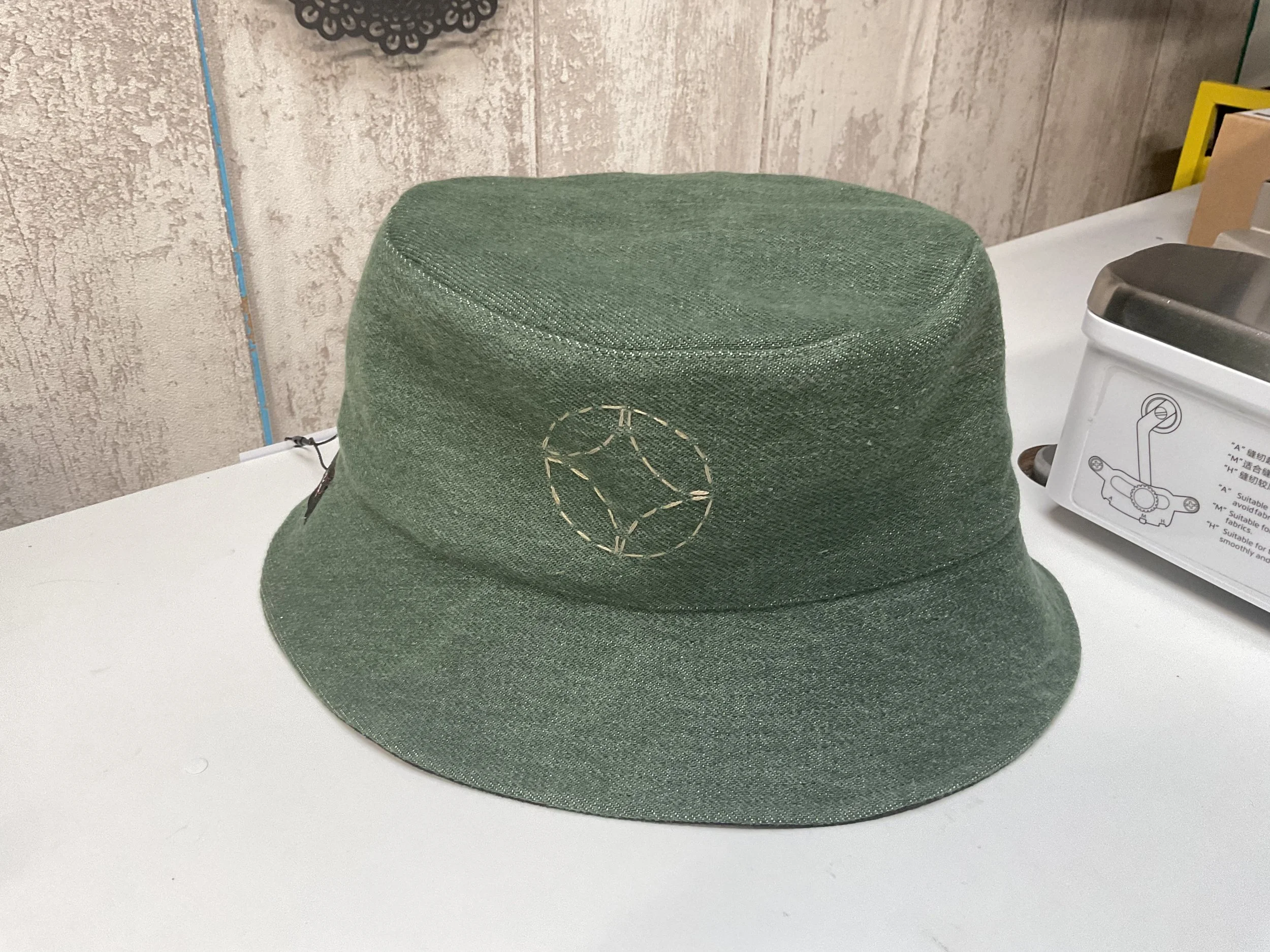
Sashiko (刺し子), meaning "little stabs" in Japanese, is a traditional form of decorative stitching that uses simple running stitches to create intricate patterns on fabric.
Originally developed as a practical way to reinforce and repair clothing, Sashiko gradually became an art form in its own right.
What makes it particularly fascinating is its simplicity. Using nothing more than a needle, thread and fabric, artisans create geometric patterns, repeated motifs and beautiful stitched compositions.
Traditionally associated with white cotton thread on indigo fabric, Sashiko is now explored in countless colours and contemporary interpretations.
A Little History: Where Did Sashiko Come From?
Sashiko developed in Japan centuries ago, particularly among farming and fishing communities in the northern regions, where winters were harsh and resources were limited.
Clothing was valuable, and replacing garments wasn't always possible. Instead, people repaired worn areas, reinforced weak fabrics and layered pieces of cloth together using small running stitches.
These stitches helped extend the life of garments while making them stronger and more durable.
Over generations, practical stitching developed into a distinctive textile tradition. Different regions and communities created their own patterns, often inspired by nature, everyday objects and geometric shapes.
Sashiko became an example of how necessity, resourcefulness and creativity could come together.
How Is Sashiko Used?
Although Sashiko originally had a practical purpose, today it can be used in many different ways.
1. Repairing and Reinforcing Clothing
One of the most traditional applications is repairing worn or damaged garments.
Sashiko stitches can reinforce areas that experience frequent friction, such as knees, elbows and pockets.
Instead of hiding a repair, the stitching becomes part of the garment's design.
2. Decorative Embroidery
Sashiko can transform plain fabric into something visually interesting.
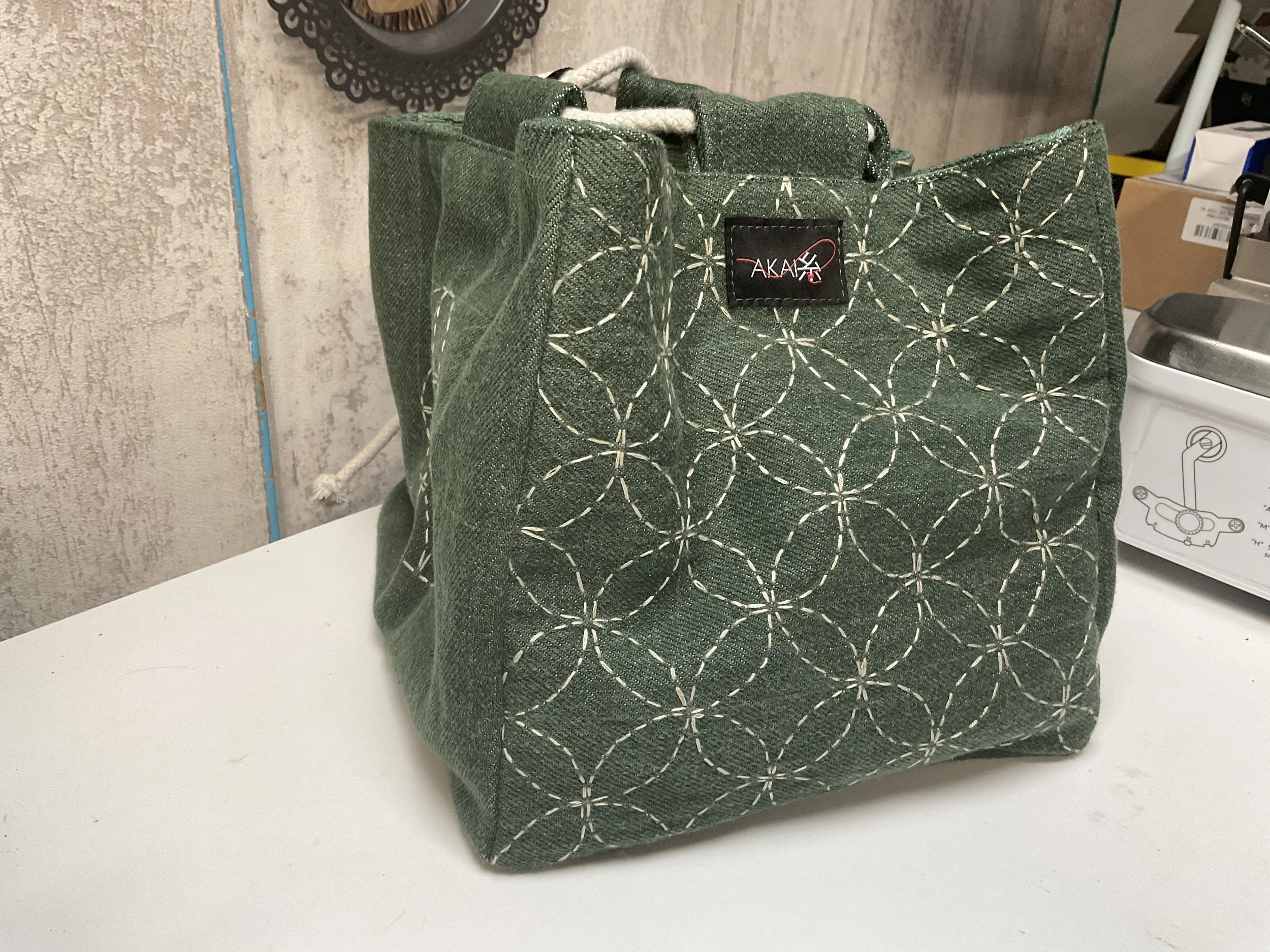
Geometric patterns, contrasting thread and repeated stitches can be used to decorate jackets, shirts, trousers, bags and accessories.
3. Boro and Patchwork
Sashiko is closely connected to Boro, another Japanese textile tradition involving the repair and layering of fabric.
Small fabric pieces are placed over worn areas and secured with stitching, creating layered textiles with unique histories and textures.
Together, these techniques demonstrate how repairing and reusing materials can become a creative process.
4. Contemporary Fashion and Accessories
Today, designers and textile artists use Sashiko in contemporary fashion, combining traditional stitching with modern silhouettes and materials.
It can be used to personalise garments, add texture, reinforce construction or create distinctive handmade details.
Sashiko and Sustainable Fashion: Making Things Last Longer
At Akai Ito, we love traditional techniques that encourage us to rethink how we use materials.
Sashiko is particularly interesting because its origins are connected to making the most of what already exists.
Rather than immediately replacing damaged clothing, we can repair it, reinforce it and give it another life.
This philosophy connects with the Japanese concept of Mottainai, which encourages appreciation of resources and avoiding unnecessary waste.
We believe that sustainable fashion isn't only about how new garments are produced. It's also about how we care for the clothes we already own.
Learning simple repair techniques can help extend the life of a favourite garment and make our relationship with clothing more personal.
How to Try Sashiko at Home
You don't need to be an experienced embroiderer to start experimenting with Sashiko.
All you need is:
A piece of cotton fabric or an old garment.
A needle suitable for embroidery.
Sashiko thread or strong cotton embroidery thread.
Fabric chalk or a washable fabric marker.
A simple geometric pattern to follow.
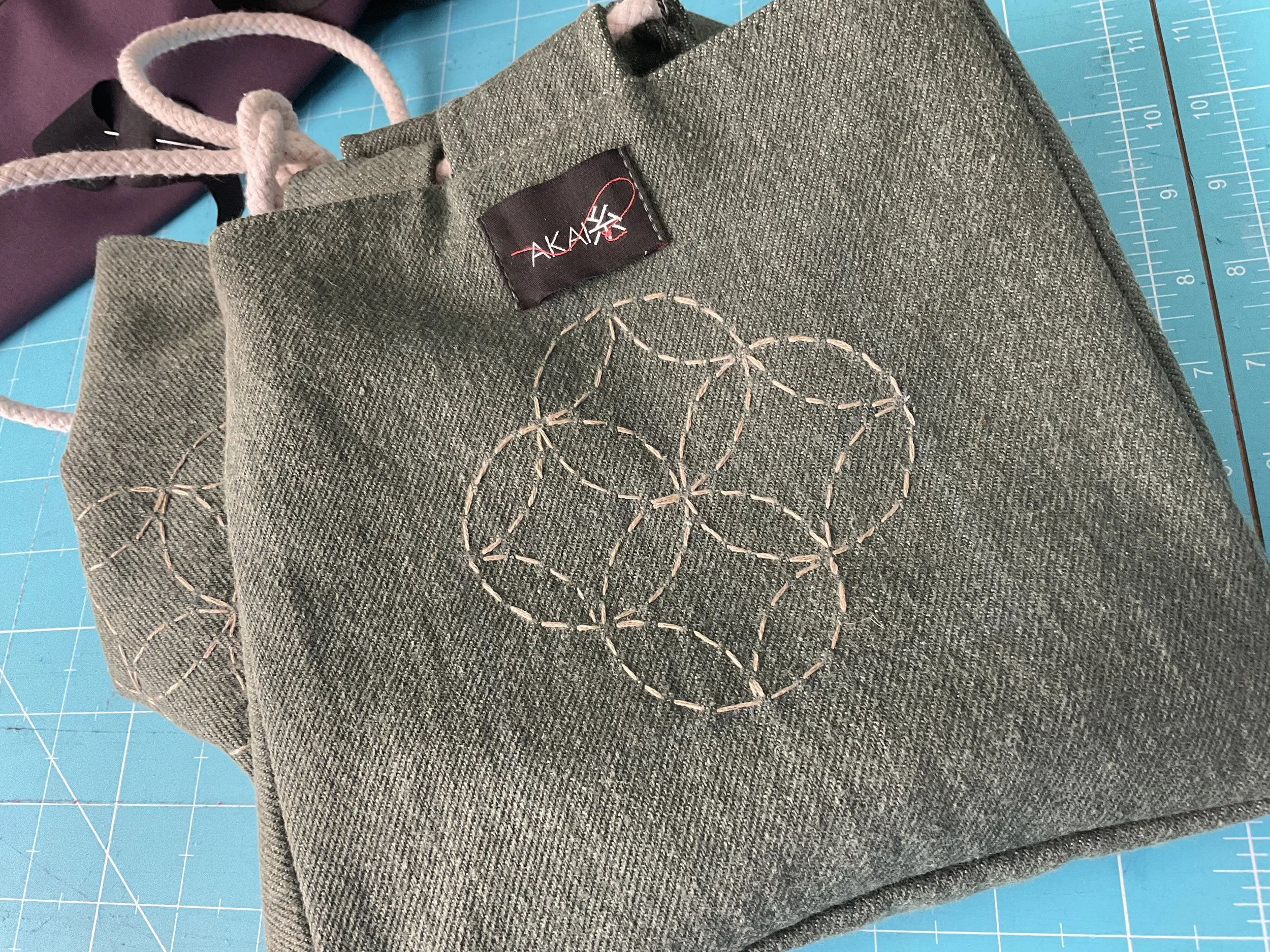
Start by drawing a basic repeating pattern onto your fabric. Using a running stitch, follow the lines while keeping your stitches relatively consistent.
Traditionally, Sashiko stitches are worked with spaces between them rather than forming continuous lines.
You can begin with simple straight lines or geometric shapes before exploring more intricate traditional patterns.
Try decorating a pocket, reinforcing a small hole or adding a stitched detail to an old denim jacket.
The most important thing is to enjoy the process!
Keeping Traditional Craftsmanship Alive
Sashiko reminds us that beautiful things don't always need complicated tools or expensive materials.
A needle, some thread and a little patience can transform an ordinary piece of fabric into something meaningful.
At Akai Ito, we find inspiration in Japanese textile traditions and their relationship with creativity, resourcefulness and individuality.
We love the idea that clothing can carry stories, that imperfections can become details worth celebrating and that sometimes the best way to create something new is to give something old another chance.
Because fashion isn't always about making more. Sometimes, it's about making what we already have last longer.
Discover more of our inspirations, handmade creations and stories at Akai Ito.
